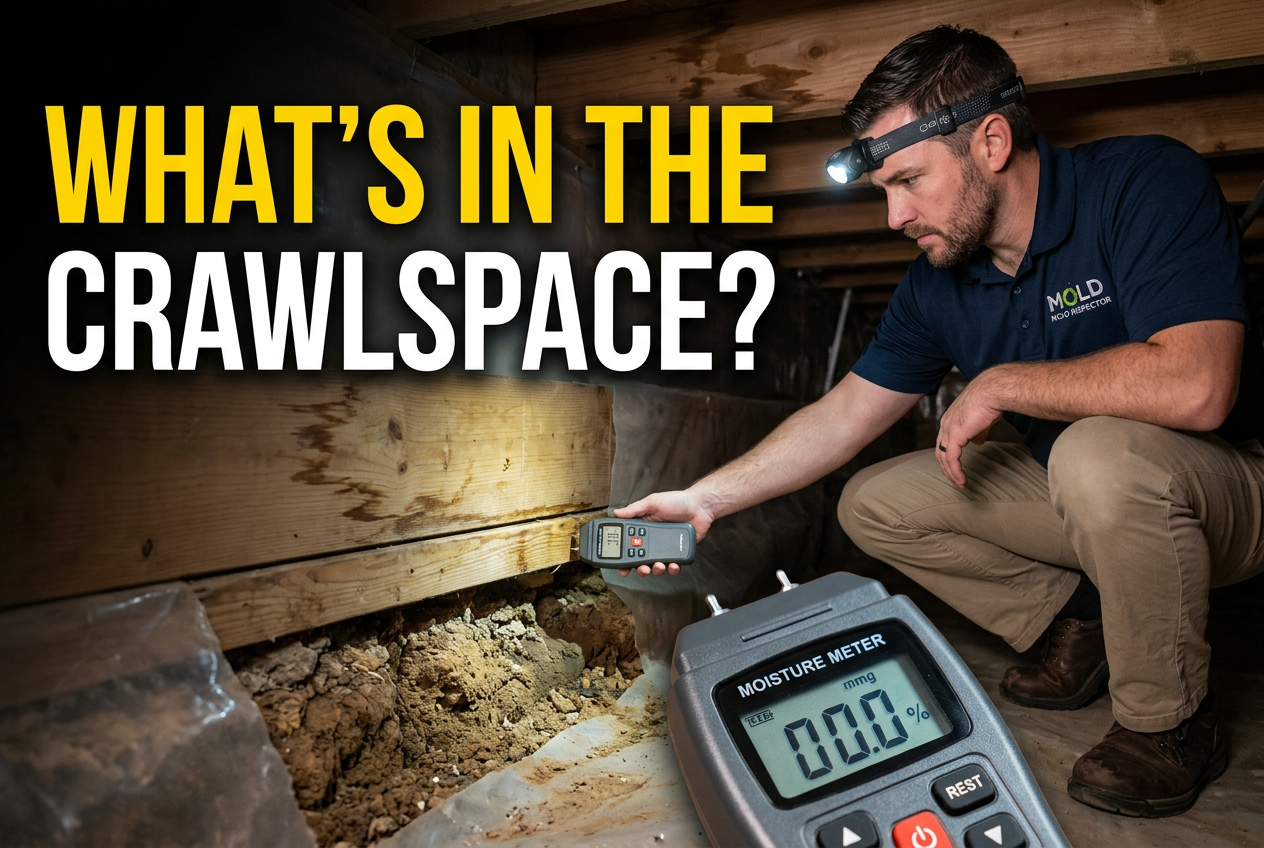
Buying a home in Glen Echo with a crawl space can prompt practical questions: Is the area accessible? Are there visible signs of moisture? What should you ask the seller or your inspector? A Walk and Talk home inspection in Glen Echo, MD can help you look more carefully at accessible areas during a property visit and raise useful questions, including questions about a crawl space.
What a Walk and Talk Can—and Cannot—Tell You
A Walk and Talk is a guided opportunity to observe accessible areas of a property and ask questions as you tour. For a buyer considering a Glen Echo home, that may help bring attention to visible details you might otherwise overlook and clarify what follow-up questions to take to the seller or a home inspector.
The service is not a substitute for a traditional full home inspection. It does not guarantee that concealed defects or problems in inaccessible areas will be found. A crawl space may be too small, unsafe, obstructed, or otherwise unavailable for entry. Even if part of it is visible from an access opening, the view may be limited.
Before the visit, ask what the Walk and Talk includes, which areas can be viewed, and whether the crawl space can be assessed from its access point. Never assume that a Walk and Talk includes entry into every area.
Visible Crawl-Space Conditions Worth Asking About
If a crawl space is accessible to view, focus on what can be seen without moving materials or entering an unsafe area. The goal is to notice conditions and ask informed questions—not to diagnose their cause during a tour.
- Water or damp-looking surfaces: Ask whether there is visible standing water, damp soil, or moisture on surfaces, and whether anyone knows when the condition was last observed.
- Staining or discoloration: Stains on wood, masonry, or other materials may have different explanations. Ask whether the seller has records of past leaks, drainage work, or repairs.
- Ground covering: If a vapor barrier or other ground covering is visible, ask whether it is continuous and whether there is documentation about its installation or condition.
- Insulation or ductwork: Note visibly displaced, damaged, or sagging materials and ask whether a qualified professional has evaluated them.
- Wood framing: Look for visible changes such as cracking, sagging, or areas that appear damaged. These observations do not establish the cause or extent of a concern.
- Odors: A musty odor can be a reason to ask questions, but smell alone does not confirm mold or identify a moisture source.
- Access and visibility: Ask whether stored items, barriers, or the crawl space’s layout limit what can be seen.
Do not crawl into a confined or unsafe area, disturb materials, or handle anything to get a better look. A limited view is itself useful information to share with the professional conducting a full inspection.
Questions to Ask During the Glen Echo Home Tour
Use the conversation to gather context and identify what needs follow-up. You might ask:
- Can the crawl space be viewed safely, and what portions are accessible?
- Has the seller reported water entry, standing water, or repairs in this area?
- Are there invoices, inspection reports, photographs, or maintenance records related to the crawl space?
- Do any visible conditions warrant evaluation by a qualified professional?
- Should a traditional home inspection include additional attention to the crawl space?
- If a concern is confirmed, what further evaluation would be appropriate?
Keep notes and, where permitted, photographs of visible conditions. Ask the seller or listing representative about the history of any reported issue, but treat verbal answers as information to verify rather than a replacement for an inspection.
When to Arrange a Full Home Inspection or Further Evaluation
A Walk and Talk can help you decide what to ask next, but a buyer should consider a traditional full home inspection as part of the purchase process. A qualified home inspector can evaluate the property within the scope of that inspection and explain any limitations, including whether the crawl space was accessible.
Follow-up may make sense when there is visible water, unexplained staining, damaged materials, a persistent odor, or an area that could not be viewed. The appropriate next step depends on the specific observation. For example, a moisture concern may call for further evaluation of the source and conditions; it does not automatically mean mold testing is necessary. Visible growth or an odor alone cannot confirm what is present.
If mold testing may be useful after an inspection, it is important to distinguish between a visual assessment, a moisture investigation, and testing. Each answers different questions. MD Mold Testing offers mold testing and mold inspection as approved services, but those are separate from its Walk and Talk home inspections.
What to Expect from a Walk and Talk
Expect a focused, question-oriented visit rather than a comprehensive inspection report covering the entire property. You can point out areas of concern, ask what is visible, and make a list of questions for the seller or a full home inspector. The value is in having a knowledgeable conversation while touring—not in receiving a guarantee that hidden conditions will be discovered.
For information about the company, visit MD Mold Testing’s website or see its BestMoldTestingUSA directory listing.
Frequently Asked Questions
Will a Walk and Talk include entering the crawl space?
Not necessarily. Access depends on the space and safety conditions, as well as the scope of the service. Ask in advance whether the area can be viewed and whether entry is included.
Can a Walk and Talk replace a full home inspection?
No. It is not a substitute for a traditional full home inspection. Buyers should ask about a full inspection and review its scope and limitations.
Does a musty smell mean there is mold in the crawl space?
No. An odor alone does not confirm mold or identify its source. If there is a concern, ask about appropriate inspection or testing based on the conditions observed.
What if the crawl space is blocked or inaccessible?
Note that limitation and ask the seller and your full home inspector about available records and whether further evaluation is appropriate. Do not move obstacles or enter an unsafe space to investigate.
Planning a Walk and Talk in Glen Echo?
MD Mold Testing offers Walk and Talk home inspections to help buyers look more carefully at accessible areas and ask informed questions while touring a Glen Echo property. Contact the company to discuss your needs and what the visit can cover.
MD Mold Testing
Call: (301) 717-1454



Leave a Reply