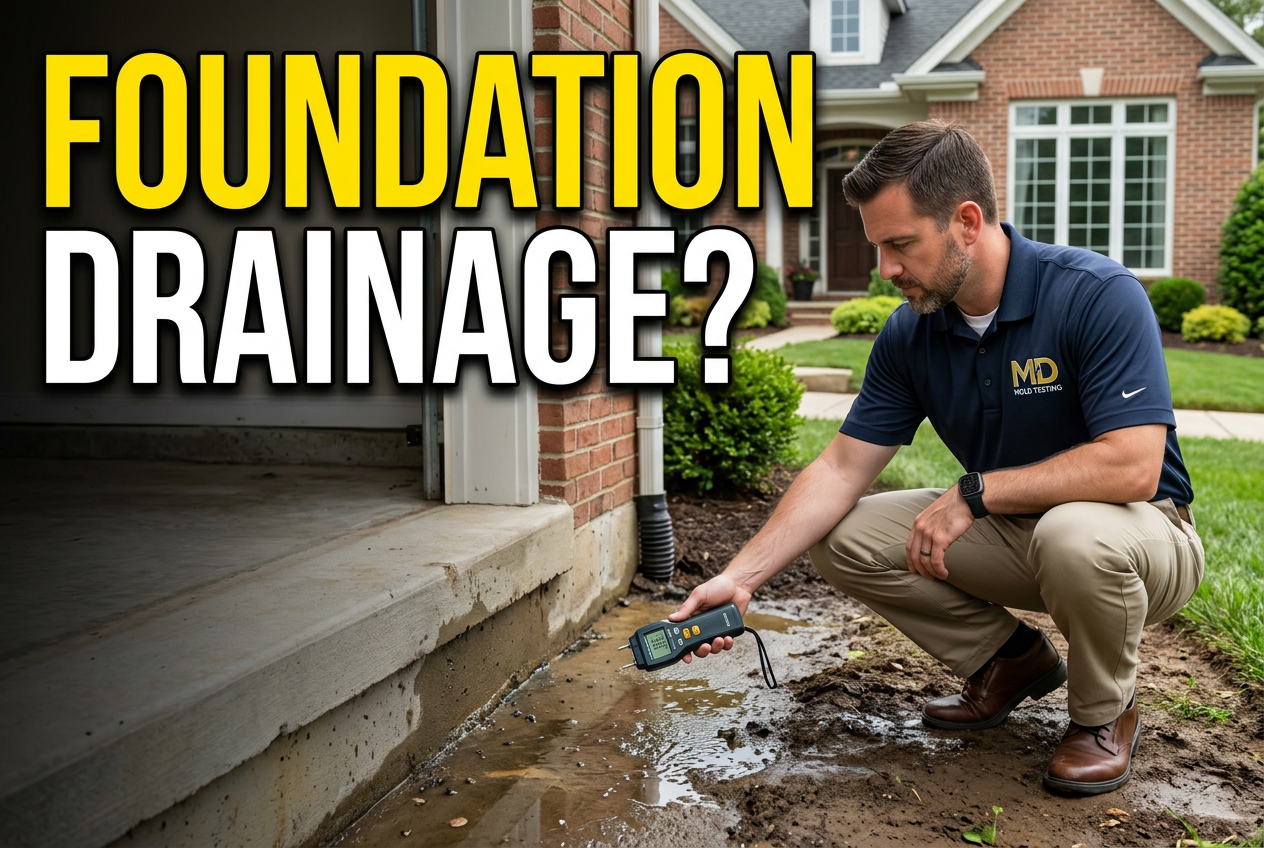
When touring a home, it can be hard to know whether a sloped yard, a damp-looking basement wall, or a visible foundation crack deserves follow-up. A Walk and Talk home inspection Chevy Chase MD buyers arrange can help them look more carefully at accessible areas and ask informed questions about visible foundation and drainage conditions while viewing the property.
What a Walk and Talk can—and cannot—tell you
A Walk and Talk is a guided opportunity to discuss observable conditions during a property tour. Depending on the agreed scope and which areas are accessible, a buyer may be able to ask about grading, downspout discharge, signs of water entry, and visible foundation features.
The value is often in knowing what to ask next. A professional can point out conditions that may warrant documentation or additional evaluation and explain the limits of what can be assessed during a walkthrough. The service is not a guarantee that hidden defects will be found, and it should not be treated as a substitute for a traditional, comprehensive home inspection.
Before scheduling, ask what areas the Walk and Talk will cover, whether it includes a written report, and how it fits into your purchase timeline. Confirm which spaces will be accessible. Stored belongings, finishes, locked rooms, and other obstructions can limit what anyone can observe.
Visible drainage conditions to notice around a Chevy Chase home
As you tour the exterior, consider how water appears to move around the house. One observation by itself does not prove a drainage problem, but it can help guide questions for the seller, agent, or inspection professional.
- Ground slope: Does the visible grade appear to direct water toward the home, or away from it? A walkthrough can note the apparent slope, but it cannot establish how water behaves during every storm or season.
- Downspouts: Where do downspouts release water? Ask whether extensions or drainage features are present and whether the seller has records of repairs or recurring issues.
- Standing water or soft ground: Ask whether a puddle or unusually wet-looking area is typical, temporary, or associated with a known drainage concern. A brief visit cannot show how long water remains after rain.
- Drainage features: Look for visible drains, channels, or retaining features and ask what they are intended to do and whether they have required maintenance.
- Basement or crawl-space signs: If these areas are accessible, note visible staining, peeling finishes, or musty odors. These observations can have different explanations and do not, on their own, identify the source or confirm mold.
Do not assume that a dry-looking yard during a showing means the property has never had water entry. Ask about any past seepage, sump pump use, drainage work, or insurance claims, and request available documentation through the appropriate transaction channels.
Foundation observations that may prompt follow-up questions
Look at exposed foundation areas where they are safely visible. You might notice cracks, patched sections, uneven surfaces, or a door or window that appears difficult to operate. These are observations—not a diagnosis of structural condition. Materials, age, movement, and repair history all matter, and a short walkthrough may not establish the cause or significance of what you see.
Useful questions include:
- Has the seller noticed water entering the basement or lower level?
- Have any cracks or other foundation areas been repaired? If so, are invoices, warranties, or reports available?
- Has a qualified professional evaluated the condition before?
- Have there been changes in how doors, windows, or floors fit or feel?
- Is there a known history of drainage work or recurring water management concerns?
Ask neutrally and request records rather than relying on assumptions based on a patch, stain, or crack’s appearance. If a visible condition raises a concern, a traditional home inspection or an evaluation by a suitably qualified specialist may be appropriate. The right next step depends on the observation and the questions that remain.
How to use a Walk and Talk during your home search
To make the time useful, arrive with questions and take notes. With the seller’s permission and in coordination with your real estate professional, you can ask about areas that seem relevant and clarify what the professional can observe during the appointment.
- Point out specific areas you want to discuss, such as a basement wall, a downspout, or a repaired section.
- Ask what is directly visible and what cannot be determined without further access or evaluation.
- Write down recommended follow-up questions and any documents you may want to request.
- Keep the purchase timeline in mind; a walkthrough is not a substitute for completing any inspections or due diligence you plan to arrange.
A Walk and Talk can help buyers become more observant without turning a showing into a technical investigation. Avoid moving stored items, entering unsafe or restricted areas, or disturbing finishes to look for hidden conditions.
When a separate inspection or evaluation may make sense
Consider additional evaluation if you observe signs of recurring water entry, have unanswered questions about repairs, or want a more comprehensive assessment than a guided walkthrough provides. A traditional home inspection can provide a broader review within its agreed scope. Depending on the issue, a buyer may also ask about a focused evaluation by a qualified foundation, drainage, or other relevant professional.
If moisture concerns are accompanied by visible suspected growth or a persistent musty odor, a mold inspection or testing may be worth discussing separately. Odor or appearance alone does not confirm mold, and not every moisture concern calls for testing. The first priority is understanding and addressing the moisture source.
MD Mold Testing offers Walk and Talk Home Inspections. Buyers can review the MD Mold Testing directory listing or visit the MD Mold Testing website to ask about the service and its scope.
Frequently Asked Questions
Can a Walk and Talk determine whether a foundation crack is structural?
Not necessarily. A walkthrough can help you notice and discuss visible conditions, but determining the cause or structural significance may require a more thorough inspection or evaluation by a qualified specialist.
Does a Walk and Talk replace a traditional home inspection?
No. Treat it as a separate, more limited opportunity to discuss accessible observations. Ask what is included, and arrange a traditional home inspection if you want a broader assessment of the property.
Should I be concerned if I see a damp-looking basement wall?
It is a reason to ask questions, not proof of a specific problem. Ask about the history, repairs, and any available reports. If the concern remains, consider an appropriate follow-up evaluation.
What should I have ready for the appointment?
Bring a short list of concerns, note any areas you would like to discuss, and confirm access with the seller or agent. Ask in advance about the service scope and whether any written observations are provided.
Planning a Walk and Talk in Chevy Chase?
Contact MD Mold Testing to ask about a Walk and Talk Home Inspection and how it may help you discuss visible drainage and foundation conditions while touring a property.
MD Mold Testing
Call: (301) 717-1454





Leave a Reply