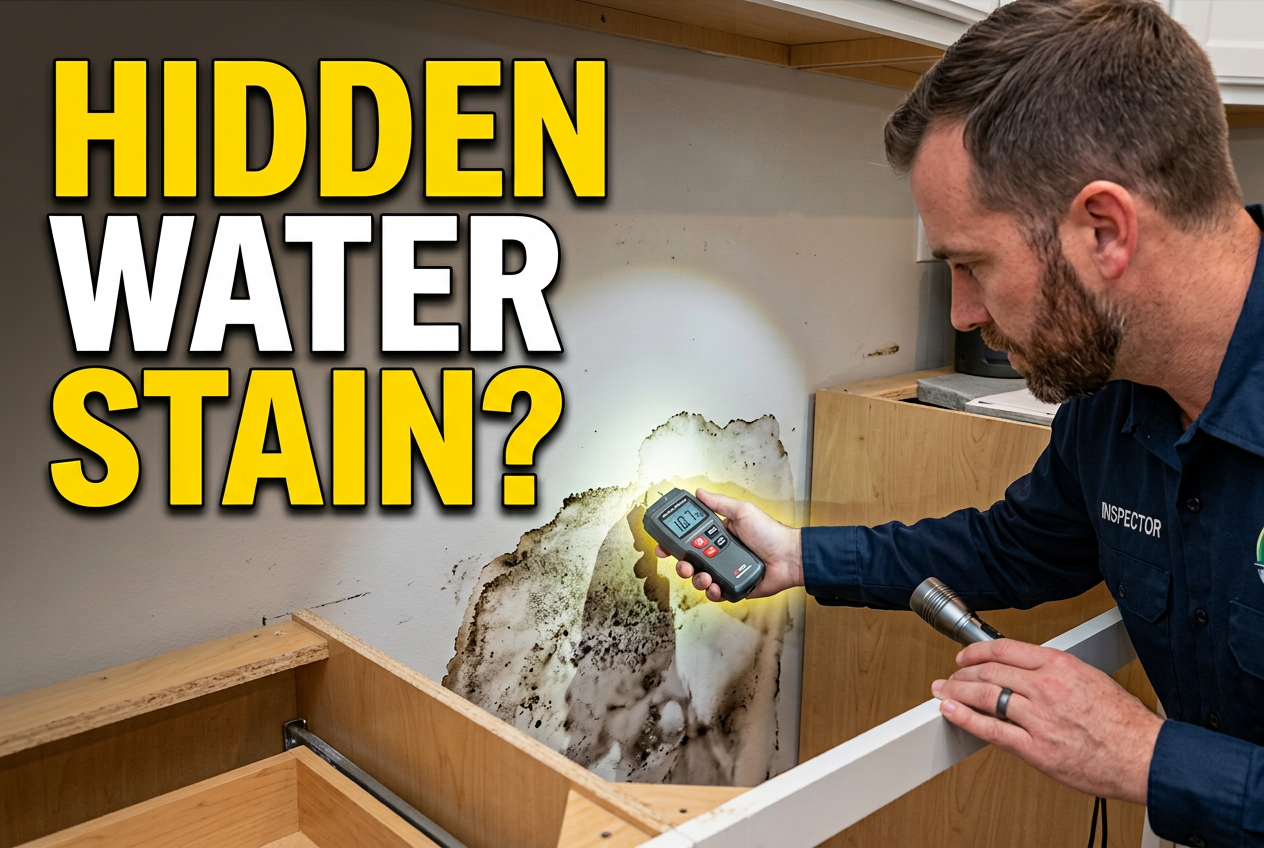
Opening cabinets during a kitchen remodel can reveal evidence that was hidden for years: a brown mark on the wall, swollen cabinet backing, or a musty smell near a sink. In West Palm Beach, where heavy rain, humidity, plumbing leaks, and air-conditioning condensation can all contribute to moisture problems, old staining deserves a closer look—but it does not automatically mean mold is present. An independent mold inspection in West Palm Beach, FL may be worth considering when the source or extent of moisture damage is unclear, especially before new cabinets and finishes conceal the area again.
Key Takeaways
- A water stain is evidence of past or present moisture, not proof of mold.
- Swelling, soft materials, recurring dampness, musty odors, or a known leak increase the reason to investigate.
- Resolve the moisture source before closing the wall or installing new cabinets.
- An inspection can assess visible conditions and moisture clues; sampling, when appropriate, provides limited information about conditions at the time of testing.
What old staining behind kitchen cabinets may mean
A stain can remain after a leak has been repaired and the materials have dried. It may also point to moisture that is still entering the wall or cabinet area. Common possibilities include a past or current leak from the sink drain, supply lines, dishwasher, refrigerator water line, or plumbing inside the wall. Rainwater intrusion around a nearby window or exterior wall is another possibility. In some homes, condensation on cold plumbing or an air-conditioning component can contribute to dampness.
The appearance of a mark alone cannot identify its cause or establish whether mold is present. A stain may be old and inactive, while a small area that looks minor may be associated with damp materials behind a cabinet. The useful questions are whether moisture is still present, what caused it, how far it extends, and whether affected materials need further evaluation.
Warning signs to check before the remodel continues
Look for changes in the cabinet as well as on the wall. Particleboard or wood that is swollen, soft, warped, or separating may have been exposed to moisture. Bubbling paint, peeling finishes, discolored caulk, or a wall that feels damp can also justify closer attention. A persistent earthy or musty odor near the sink or inside a cabinet is another clue, though odor by itself does not identify a particular substance or its source.
Consider the history of the area. Was there a plumbing repair, dishwasher overflow, roof leak, or period when the property was unoccupied? Did the staining appear after a storm or return after being cleaned or painted? A history of repeated wetting matters even if the surface now looks dry. Photographs, repair records, and notes about when an odor or stain appeared can help an inspector understand the situation.
Avoid cutting into or pulling apart suspect materials just to look for mold. Disturbing hidden materials can spread dust and debris, and a small opening may not reveal the full extent of a problem. If materials are actively wet, a leak is continuing, or damage appears extensive, prioritize stopping the water source and getting appropriate professional advice before proceeding with construction.
Why investigate before installing new cabinets?
Remodeling is a practical opportunity to assess an exposed area before it is covered. Installing new cabinets over damp or damaged materials can make later access more difficult and may allow a moisture problem to continue unnoticed. An inspection before the work is enclosed can help the property owner and project team make informed decisions about whether additional evaluation or repairs are needed.
Timing matters. If a leak is active, have a qualified plumbing or building professional address the source. Inspection and testing do not replace leak repair, and mold sampling does not correct moisture. If the wall or cabinet materials have already been removed, document what was found and where, and discuss the conditions with the appropriate professionals before rebuilding.
What an independent mold inspection may evaluate
An independent inspection can provide an assessment from a company that is not also selling mold remediation work. That independence may be useful to owners who want an inspection and testing focused on evaluating conditions rather than purchasing a bundled repair service. It does not mean that every company offering both inspection and remediation has a conflict of interest; the important point is to understand the scope of work and any business relationships involved.
Depending on the circumstances and access, an inspector may review the visible stain, cabinet materials, nearby plumbing, and surrounding finishes; ask about leaks and prior repairs; and look for signs of dampness or damage. Moisture measurement may help assess accessible materials. Thermal imaging, when used as part of a mold and moisture inspection, can show temperature patterns that may warrant further investigation. It does not see through walls or confirm mold, and unusual patterns need to be interpreted alongside other evidence.
If mold testing is appropriate, the inspector can explain what type of sampling is proposed and what question it is intended to address. Sampling is not automatically necessary for every stain. Results should be considered with the inspection findings, moisture history, and conditions on the day of testing—not treated as a complete map of every concealed area.
What inspection and testing can—and cannot—establish
A visual inspection is limited to accessible areas and observable conditions. If cabinets or finished walls remain in place, hidden spaces may not be directly assessable without further access. Testing represents the locations and conditions sampled at a particular time; it cannot guarantee that every area is free of mold or identify the source of a leak on its own. Likewise, a normal-looking surface or a single test result should not override evidence of ongoing moisture.
Ask for a clear explanation of the inspection scope, any access limitations, the reason for sampling if proposed, and how results will be reported. If the assessment finds moisture or suspected growth, the next step may involve a qualified professional to correct the water source and determine how affected materials should be handled. MoldXperts provides inspection and testing, not mold removal or remediation.
Choosing next steps for a West Palm Beach kitchen
- Photograph the stain and nearby cabinet or wall damage before work changes the area.
- Check accessible plumbing and appliances for signs of a leak, and arrange repairs if needed.
- Pause plans to cover visibly damp or deteriorated materials until the moisture concern is evaluated.
- Consider an independent inspection when the stain’s history is uncertain, odors persist, materials are damaged, or the affected area may extend behind cabinets.
- Use the findings to coordinate any needed repairs and make an informed decision about rebuilding.
For homeowners, buyers, sellers, and property professionals in West Palm Beach, an independent assessment can help clarify what is known about a stained area before a remodel moves forward. MoldXperts serves Palm Beach County as well as Broward and Miami-Dade counties, offering mold inspection, mold testing, indoor air quality testing, and thermal imaging as part of mold and moisture inspections.
Watch: MoldXperts on YouTube
Explore educational videos and updates on the official MoldXperts YouTube channel.
Arrange an independent inspection before closing the wall
If old water staining behind your kitchen cabinets has raised questions during a West Palm Beach remodel, contact MoldXperts to discuss whether professional mold inspection or testing may be appropriate. Call (954) 464-4538 or visit moldxperts.com. MoldXperts provides independent mold inspection and testing services in Broward, Miami-Dade, and Palm Beach counties.



Leave a Reply