
The mold testing process in a Sun City, AZ home typically starts with a conversation about the concern, followed by a visual inspection and moisture investigation. If sampling is appropriate, the inspector collects samples from selected areas or materials for analysis; the results are then interpreted alongside the inspection findings.
Testing is not required for every stain, musty odor, or past leak. Those signs can point to a moisture concern, but they do not confirm that mold is present or identify a species. Testing is most useful when it addresses a specific question, such as whether suspected hidden growth may be present or whether conditions differ between areas of the home.
Mold testing combines sample results with an inspection of the home and its moisture conditions. A test alone does not locate every source of mold or explain why moisture is present, so findings need to be considered in context.
When mold testing may make sense in a Sun City home
A homeowner may consider an inspection or testing after noticing recurring dampness, a musty smell, water damage, or staining that returns after cleaning. Testing may also be useful when a buyer, seller, or property owner needs more information about a specific area before deciding what to do next.
These observations are reasons to investigate, not proof of mold. A discolored patch may have another cause, and an odor alone cannot identify mold or its type. The EPA’s guidance on identifying a possible mold problem explains why a visual and moisture assessment matters alongside any testing.
If there is a known active leak, the moisture source should be addressed. Testing does not repair water damage or prevent further dampness. It can help answer a defined question, but the need for sampling depends on the home’s conditions and the reason for the assessment.
What happens before samples are collected
Discussing the concern
The process usually begins with questions about what prompted the visit. Helpful details include where you noticed staining or odor, whether the area has been wet, and whether the concern has changed over time. Sharing this history helps focus the inspection rather than testing areas without a clear reason.
Visual inspection and moisture investigation
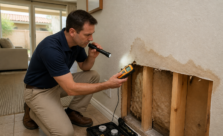
The inspector looks for visible signs of water damage or suspected growth and checks areas relevant to the reported concern. A moisture investigation can help identify damp materials or conditions that may be allowing moisture to persist. The precise areas an inspector can assess depend on access and the situation.
Inspection and testing are related but different. An inspection evaluates visible conditions and potential moisture concerns; testing involves collecting samples for analysis. A home can have signs worth investigating without needing samples, and samples may not reveal the source of a moisture problem on their own.
How sample collection may work
If testing is recommended, the inspector should explain what question the samples are intended to answer and which locations will be sampled. Depending on the concern, collection may involve air samples, surface samples, or material samples. Not every method is appropriate for every home or situation.
Sampling locations and conditions matter. For example, a sample from one room represents that sampling location and the conditions at the time; it does not automatically describe every room or every concealed space in the home. A comparison sample may be considered when relevant, but the sampling plan should be based on the specific inspection findings.
Before the appointment, note where you have seen changes and share any known history of water intrusion. Avoid disturbing suspected growth or cleaning the area immediately before an assessment unless you have been advised otherwise. If you are unsure what to prepare, ask the provider before the visit.
Understanding the results and next steps
After sample collection, results are typically provided in a report. The report may describe what was sampled and summarize the findings, but the meaning depends on the sample type, location, and conditions during collection. Ask the inspector to explain any technical terms and how the findings relate to the original concern.
There is no single test result that, by itself, describes the full condition of every home. A result should be interpreted with the visual observations and moisture findings, not treated as a stand-alone verdict about the entire property. Testing also cannot determine whether a particular person’s symptoms are caused by a home condition.
Next steps may include monitoring an area, investigating a moisture source, arranging further inspection, or considering mold remediation if the findings and conditions support it. The right response depends on the location and extent of the concern. For general background on how moisture relates to mold, see the EPA’s brief guide to mold, moisture, and the home.
Choosing a mold testing provider
Ask what the inspection includes, why each proposed sample is useful, and how results will be explained. It is reasonable to ask whether the provider’s findings will include moisture observations and practical next steps, rather than only a list of sample results.
ALM Services offers mold testing, mold inspection, and mold remediation. Homeowners can review available mold testing services and consult the ALM Services directory listing for provider information.
Frequently Asked Questions
Does every mold concern in a Sun City home require testing?
No. An inspection may be enough to identify visible concerns or a moisture issue. Sampling is most useful when it can answer a specific question that inspection alone does not resolve.
Can a mold test tell me where a leak is coming from?
No. Testing may provide information about sampled material or air, but it does not locate or repair a leak. A moisture investigation is needed to assess dampness and possible sources.
How long does it take to get mold test results?
Timing depends on the sampling method and the laboratory process. Ask the provider what turnaround to expect and how you will receive an explanation of the findings.
Should I clean a suspicious spot before testing?
It is generally better to avoid disturbing suspected growth before the assessment, because cleaning or moving material can change the area being evaluated. Ask the provider how to prepare for your particular inspection.
Need Mold Testing in Sun City?
ALM Services can help Sun City homeowners assess a mold concern through mold testing or inspection and discuss appropriate next steps based on the findings.
ALM Services
Call: 602-257-8000




Leave a Reply