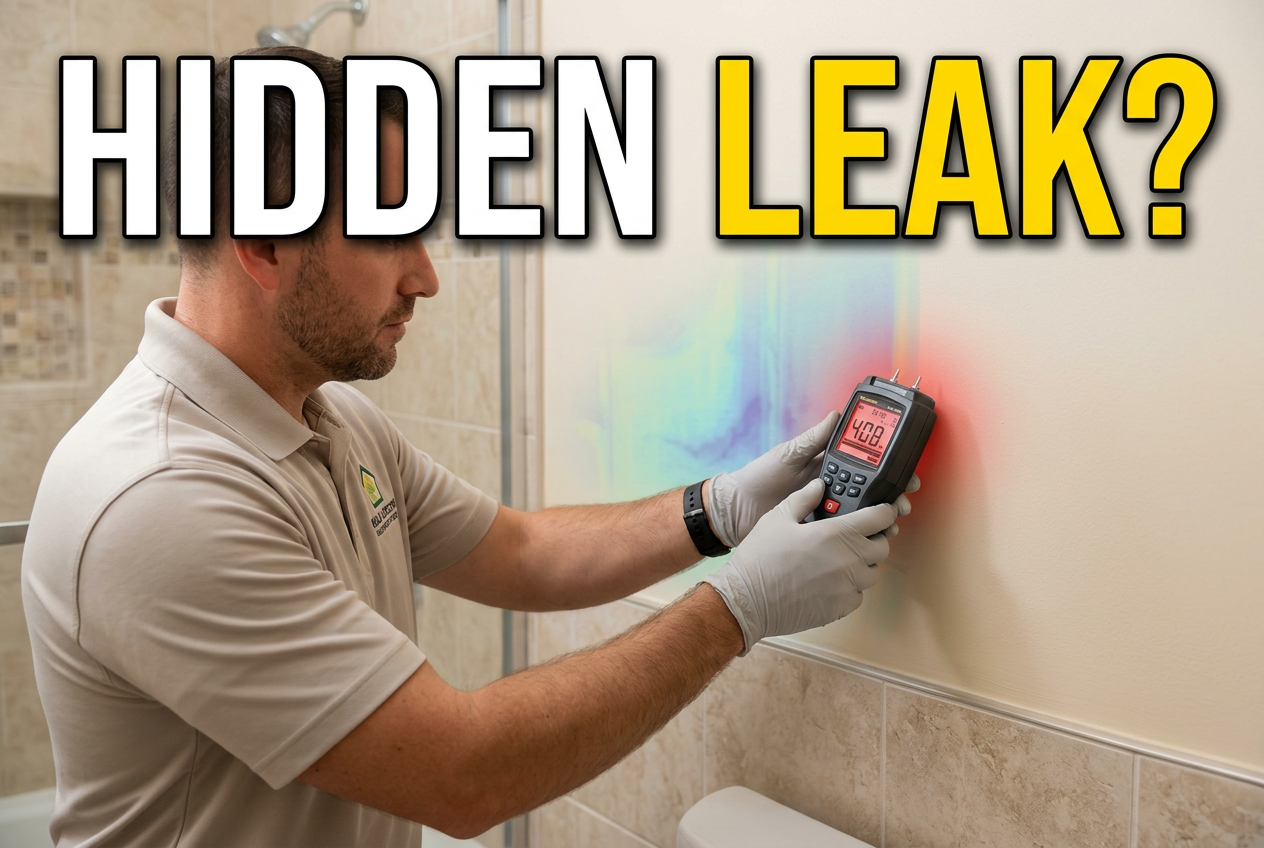
A High Moisture Meter Reading Near a Hollywood Bathroom Wall: When to Consider an Independent Mold Inspection
A bathroom wall can look completely dry while a moisture meter gives a high reading. In a Hollywood, Florida home, that result is worth investigating, but it does not automatically mean there is mold or an active leak. Moisture meters provide information about materials; they do not identify mold, explain the source of moisture, or prove that a wall is damaged.
The right next step depends on the reading, the wall’s construction, nearby plumbing and fixtures, and any other signs of moisture. An independent mold inspection in Hollywood, FL may help when the cause is unclear, the reading persists, or you need a more informed assessment before deciding what to do.
Key Takeaways
- A high meter reading is a clue to investigate, not a mold diagnosis.
- Meter type, wall material, nearby metal, and comparison readings can affect the result.
- Look for patterns and related signs, such as recurring dampness, stains, odors, or changes to paint and drywall.
- An independent inspection may help assess moisture conditions and whether mold testing is appropriate.
- Testing can provide evidence about sampled conditions, but it cannot by itself identify every hidden problem or its cause.
What a high reading may mean when the wall looks dry
Moisture meters estimate moisture in or near a material. Depending on the model and method, a meter may use pins that contact the surface or a pinless sensor that reads through it. The displayed result is not always a direct percentage of moisture in the wall, and scales differ between devices and materials.
A reading may be higher because the material is damp, but other factors can affect it. A pinless meter may respond to materials or objects behind the surface, while pins may leave small marks and provide information only at the points tested. Metal corner beads, fasteners, pipes, tile, dense materials, and differences in wall construction can influence results. A meter set for wood may also give misleading readings on drywall or other materials.
Drywall can feel dry on the surface even when moisture is present deeper in the material or behind it. Conversely, one unexpected reading may not indicate a moisture problem at all. A single number, without knowing the meter type, material, location, and comparison readings, is not enough to diagnose the condition of the wall.
Check the pattern and the surrounding area
If you can do so safely, note exactly where the reading is high and whether it changes across the wall. Compare it with nearby areas made of similar material, rather than relying only on a general reading from another part of the room. Record the meter model, settings, date, and readings. Repeat measurements under similar conditions, but avoid drilling, removing tile, or opening a wall just to investigate a meter result.
Pay attention to the layout. Is the area near a shower, tub, sink, toilet, plumbing line, or adjoining room? Does it line up with an exterior wall or a space where water may enter? A plumbing leak, failed seal, splash or overflow, condensation, or a past water event could each be relevant possibilities. The reading alone cannot distinguish among them.
Look for other clues, including a recurring musty odor, discoloration, bubbling or peeling paint, swollen trim, soft or crumbling drywall, loose tiles, or a stain that changes after showers or rain. These signs do not prove mold is present, but they can help establish whether the meter result fits a broader pattern. Avoid covering a stain or repeatedly applying surface products before you understand whether moisture is still reaching the area.
When an independent mold inspection may help
Consider an inspection if readings remain elevated, appear in a consistent pattern, or occur alongside a persistent odor or visible change. An assessment may also be useful if there has been a known leak, if the area has been wet before, or if you are buying, selling, or managing a property and need a clearer understanding of the concern. If there is active water leakage, arrange for the leak to be evaluated by an appropriate plumbing or building professional; mold testing does not repair a leak.
An independent inspector can evaluate the reported concern, examine accessible areas, and consider moisture readings in context. Depending on the property and scope, an inspection may include visual assessment, moisture mapping, and thermal imaging as part of the moisture investigation. Thermal images can help identify temperature patterns that merit further attention, but they do not show mold and do not independently confirm moisture. Findings may point to a need for further evaluation of a plumbing or building issue.
Independence matters because MoldXperts focuses on mold inspection and testing rather than selling mold removal or remediation. That gives property owners an assessment from a company that is not also selling remediation work. It does not mean every company that offers both services has a conflict; it is simply one factor you may consider when choosing an inspector.
What mold testing can—and cannot—establish
Not every elevated moisture reading requires mold sampling. An inspector may first assess whether there is a reason to test and what question testing could help answer. If sampling is appropriate, the inspector can explain the proposed method, the locations involved, and how results should be interpreted in relation to the inspection findings.
Sampling provides information about the specific sample and conditions at the time it was collected. It cannot guarantee that mold is absent everywhere in a building, reveal every hidden condition, or identify the moisture source on its own. Results also need to be considered alongside the building’s history, visible conditions, and moisture observations. There is no single meter reading or laboratory result that, by itself, tells the whole story.
If you are concerned about health symptoms, consult a qualified healthcare professional. A mold inspection is a building assessment, not a medical evaluation.
Choosing a sensible next step in Hollywood
Start with what you know: where the reading occurred, whether it repeats, and whether there are related signs. If you suspect an active leak, prioritize finding and stopping the water source. If the wall looks normal but the high reading persists or remains unexplained, an independent inspection can help clarify whether the area warrants additional evaluation or mold testing.
MoldXperts provides independent mold inspection, mold testing, indoor air quality testing, and thermal imaging as part of mold and moisture inspections in South Florida, including Broward, Miami-Dade, and Palm Beach counties. For a Hollywood property, ask what the inspection includes, how moisture readings will be interpreted, and whether testing is recommended based on the findings.
Watch: MoldXperts on YouTube
Visit the MoldXperts YouTube channel for educational content. No specific video is linked here because a verified video on this exact bathroom-wall moisture meter topic is not available.
Arrange an independent assessment
If a moisture meter continues to show a high reading near your Hollywood bathroom wall, MoldXperts can help assess the concern and discuss whether mold inspection or testing may be appropriate. Call (954) 464-4538 or visit the website to request information. MoldXperts provides independent inspection and testing services and does not provide mold remediation.


Leave a Reply