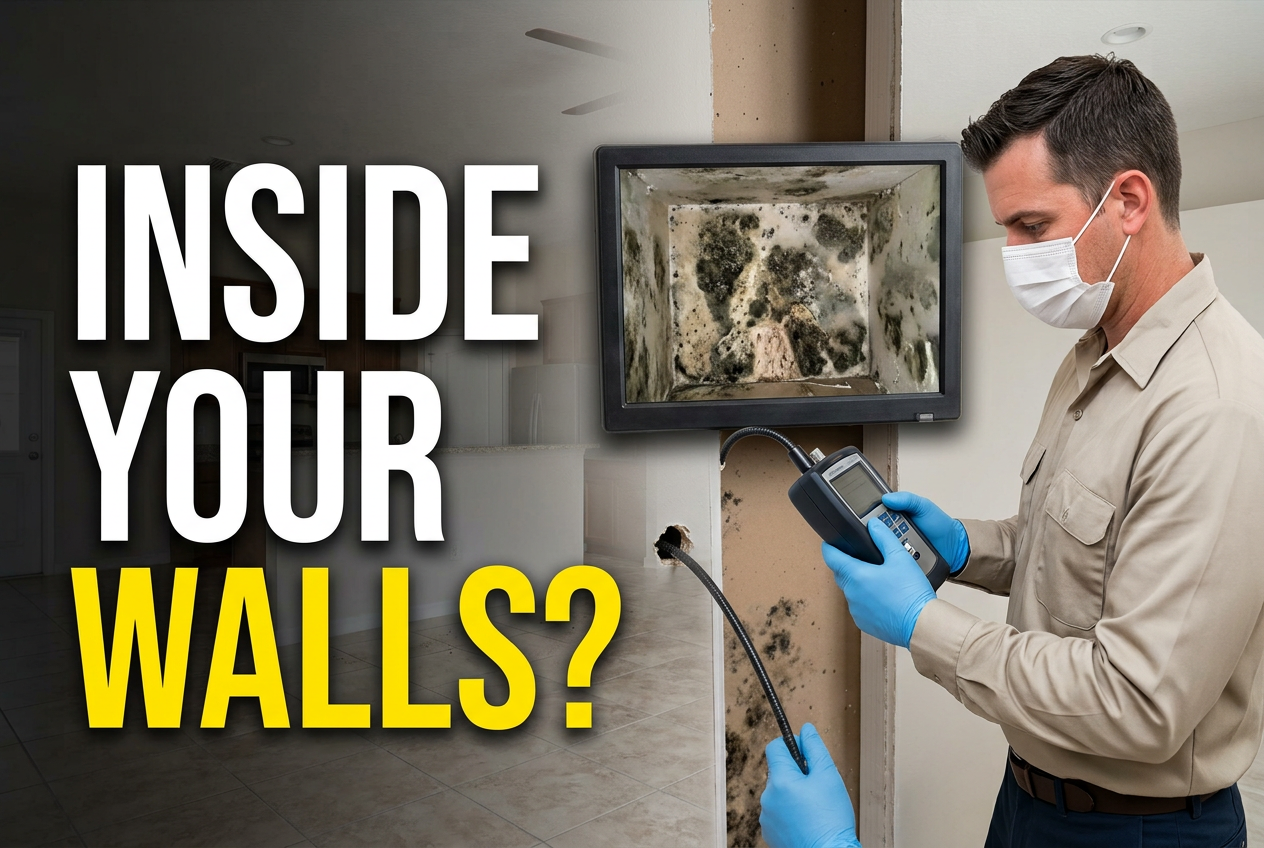
Returning to a Boca Raton Vacation Home After an Extended Vacancy: When to Consider a Mold Inspection
Coming back to a Boca Raton vacation home after weeks or months away can mean more than opening the windows and unpacking. In South Florida’s warm, humid climate, a small leak, an air-conditioning problem, or moisture left behind after a storm may go unnoticed while a property is empty. That does not mean every vacant home has mold, but it does make a careful first walkthrough worthwhile. Knowing what to look for can help you decide whether to address a visible issue yourself, call a qualified trade professional, or arrange a mold inspection in Boca Raton, FL before settling in.
Key Takeaways
- Look for signs of water intrusion, persistent dampness, musty odors, or HVAC problems when you first return.
- Extended vacancy can allow a moisture issue to go unnoticed, especially if the air conditioner was off or a leak developed.
- A mold inspection can evaluate visible conditions and potential moisture sources; testing may be appropriate depending on the findings and your questions.
- Thermal imaging can help identify temperature patterns that warrant further investigation, but it does not confirm mold or replace moisture assessment.
- Contact a licensed trade professional for active leaks or damaged systems, and consider independent inspection when you need an assessment of possible mold or moisture concerns.
Why vacancy can matter in Boca Raton
Many seasonal homes are closed up for long stretches, and owners may adjust the thermostat or turn off the air conditioning to reduce costs. If indoor humidity rises, moisture can collect on cool surfaces or in areas with limited air movement. A plumbing leak, roof leak, or water intrusion after severe weather can also continue for some time before anyone notices.
Vacancy itself does not create mold. Mold growth depends on conditions that include moisture and a suitable surface. The practical concern is that an unoccupied property may have fewer opportunities for someone to spot a leak, condensation, or an HVAC malfunction early. The longer a moisture problem remains unresolved, the greater the chance that building materials or belongings may be affected.
What to check during your first walkthrough
Before unpacking or turning the home back to its usual routine, take a slow look and note anything unusual. Use your senses, but do not rely on smell or appearance alone to determine whether mold is present. Common signs that deserve attention include:
- Musty or earthy odors: A persistent smell may point to damp materials or a poorly ventilated area, though odor alone cannot identify its source.
- Visible spotting or discoloration: Check ceilings, walls, baseboards, closets, window areas, and spaces beneath sinks. Staining may indicate a past or ongoing moisture issue, but not every stain is mold.
- Water damage: Look for bubbling or peeling paint, warped flooring, swollen trim, water marks, or damaged drywall.
- Plumbing and appliance leaks: Inspect under sinks and around toilets, water heaters, refrigerators, washing machines, and air-conditioning equipment.
- Condensation or dampness: Notice unusually wet surfaces, damp fabrics, or moisture around windows and supply vents.
- HVAC concerns: Check whether the system starts and drains as expected. A clogged drain, malfunction, or damp area near the air handler can warrant attention.
If you find standing water, an active leak, or a potentially unsafe electrical condition, avoid disturbing the area and contact an appropriate repair professional. If the home has been flooded or materials are extensively wet, prompt professional guidance is important.
When should you consider a professional mold inspection?
A professional assessment may be useful when you notice a musty odor that persists after basic cleaning and ventilation, visible growth whose source is unclear, recurring condensation, or signs of water damage. It may also make sense if you know the home experienced a roof, plumbing, or air-conditioning leak while vacant, even if the affected area appears dry now. Buyers, sellers, landlords, and owners preparing to occupy a seasonal property may also want an independent assessment when they need clearer information about a suspected concern.
An inspection can help document observable conditions and investigate likely moisture sources. An inspector may examine accessible areas, ask about the property’s history, use moisture-measuring equipment, and recommend whether further evaluation is appropriate. Depending on the building and the reported concerns, the inspection may include thermal imaging as one tool for locating temperature patterns that could merit closer examination.
Thermal imaging does not see mold inside walls and does not prove that a surface is wet. Temperature differences can have several causes, so any notable pattern should be interpreted alongside other observations and, when appropriate, moisture measurements. Similarly, a visual inspection is limited to accessible areas; it cannot guarantee that no hidden condition exists behind finishes or inside closed cavities.
Is mold testing always necessary?
No. Testing is not automatically needed every time a home has been vacant or an odor is noticed. The decision depends on the situation and what you need to learn. An inspector may be able to explain whether sampling could help answer a specific question, such as whether airborne particles in a particular area warrant further evaluation. Sampling methods and locations should be selected with a clear purpose, rather than used as a substitute for investigating moisture.
Test results describe the samples collected under the conditions present at that time. They do not, by themselves, establish the full extent of a problem, identify every possible source, or prove that a home is free of mold. Results should be considered alongside the inspection findings, moisture history, and the limits of the sampling method. If materials are damaged or an active water source is found, correcting the moisture problem is a separate step that may require a qualified plumber, roofer, HVAC technician, or remediation contractor.
What to do before occupying the home
If there are no visible concerns, unusual odors, or signs of moisture, you can resume normal use while keeping an eye on the home’s humidity and air-conditioning operation. If you find a leak, arrange for the source to be repaired and the affected area assessed. Avoid painting over stains or covering damp materials before the cause is understood. Keep photos and notes of any damage, repair work, or changes in odor and appearance, especially if you are coordinating with a property manager or insurance provider.
When uncertainty remains, an independent inspection can provide a clearer picture without bundling the assessment with remediation sales. MoldXperts provides independent mold inspection, mold testing, indoor air quality testing, and thermal imaging as part of mold and moisture inspections. The company does not provide mold removal or remediation.
Watch: MoldXperts on YouTube
For more educational information, visit the MoldXperts YouTube channel.
Arrange an inspection in Boca Raton
If your vacation home has a persistent musty odor, signs of water damage, or a history of moisture problems during an extended vacancy, MoldXperts can discuss whether an independent mold inspection or testing may be appropriate. MoldXperts serves Broward, Miami-Dade, and Palm Beach counties, including Boca Raton. Call (954) 464-4538 or visit moldxperts.com to learn more.



Leave a Reply