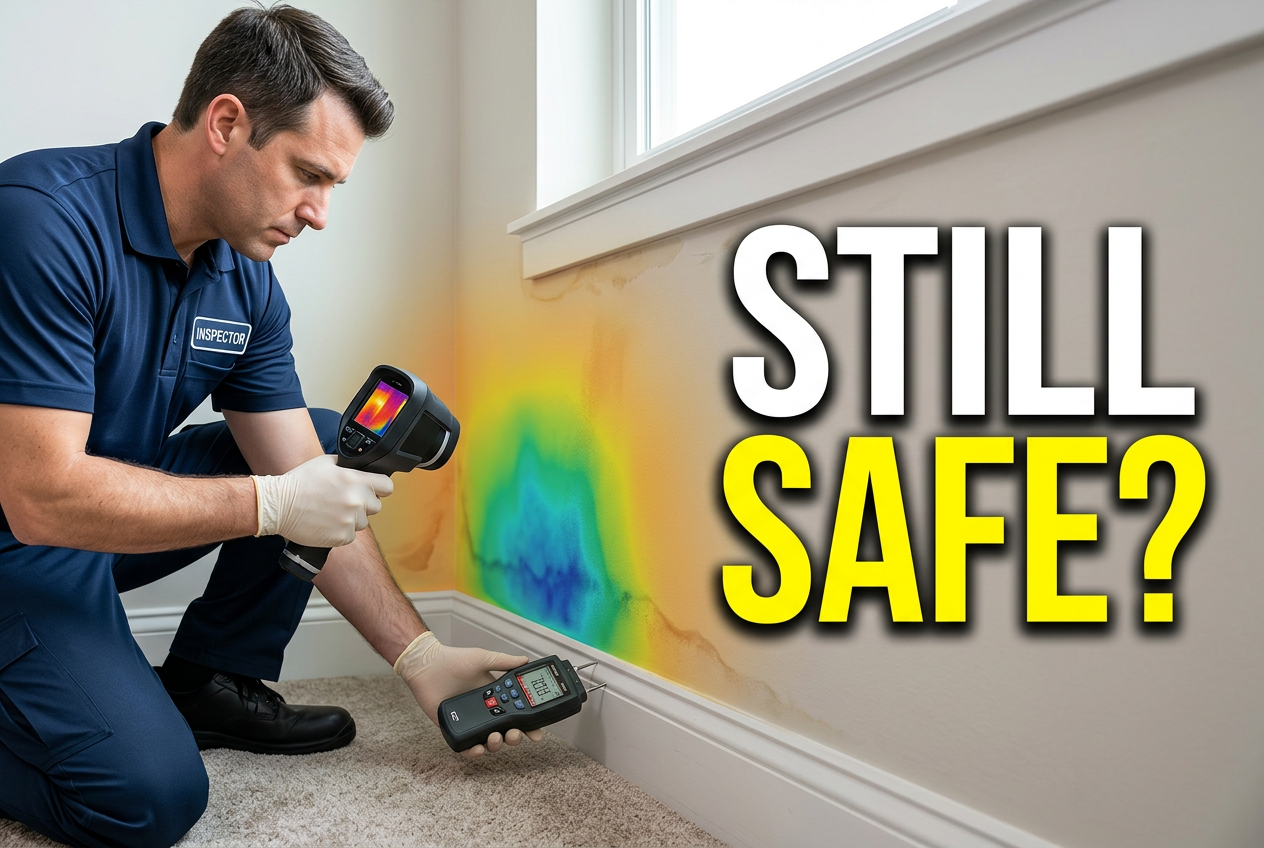
A vacant rental can look ready for a new tenant while hiding moisture problems that developed during weeks or months without regular occupancy. In Delray Beach, heat, humidity, heavy rain, and air-conditioning interruptions can all affect a property, especially when leaks or damp materials go unnoticed. Before handing over the keys, owners and property managers can check for signs of moisture and decide whether a professional assessment is appropriate.
Key Takeaways
- Check for musty odors, staining, damp materials, and signs of leaks before a new tenant moves in.
- Confirm that the air-conditioning system is operating as expected and look for moisture around condensate drains and air handlers.
- Address the source of any water intrusion; cleaning visible growth without resolving moisture may not solve the underlying problem.
- An independent mold inspection can help evaluate concerning areas, while testing may be useful when there is a specific question to answer.
- Thermal imaging can help identify temperature patterns that warrant further investigation, but it does not confirm mold or moisture on its own.
Why vacancy can change a rental’s moisture conditions
When a home is occupied, people may notice a leak, smell an unusual odor, or report that a room feels damp. In a vacant property, a small plumbing leak, a clogged air-conditioning condensate line, or water entering around a window may continue without anyone noticing. If the cooling system is off or not maintaining the intended conditions, indoor humidity may also rise.
That does not mean every vacant rental has a mold problem. It does mean a pre-lease walkthrough should include more than checking that appliances work and surfaces look clean. A careful moisture check can help identify issues to investigate before a tenant takes possession.
What to check before a new tenant moves in
Look and smell for signs of dampness
Walk through the home slowly, including closets, bathrooms, laundry areas, and rooms that receive little airflow. Look for water stains, peeling paint, bubbling or warped flooring, swollen baseboards, and discoloration around ceilings, windows, or plumbing fixtures. A persistent earthy or musty odor is worth investigating, even if you cannot see an obvious source.
Check beneath sinks and around toilets, tubs, water heaters, refrigerators with water lines, and washing machines. Look for dampness, corrosion, loose connections, or evidence of an older leak. Do not assume a stained or damaged surface is mold; the appearance alone cannot establish what caused it.
Check windows, doors, and areas near the roof
Inspect window frames and nearby walls for signs of water entry or condensation damage. Pay attention to corners and exterior-facing walls, particularly where furniture or stored items may have limited airflow. If there are ceiling stains or damp areas below the roof, document them and arrange appropriate follow-up. Recent rain can be a useful reminder to check vulnerable areas, but a dry day does not rule out an intermittent leak.
Confirm the air-conditioning system is operating
In South Florida, air conditioning plays an important role in managing indoor comfort and humidity. Confirm that the system starts and runs normally, and check around the air handler and condensate drain for signs of overflow or water damage. A dirty or blocked drain, a poorly draining drain pan, or a system that is not cooling properly may deserve attention from a qualified HVAC professional.
A thermostat reading is only a snapshot. It does not reveal every humidity issue or establish whether hidden building materials are wet. If the unit was off for an extended period, ask the property manager or HVAC professional to confirm the system is functioning as intended before occupancy.
What to do if you find a warning sign
Record the location and condition of stains, damp materials, odors, or visible growth. Photos and notes can help you track changes and communicate with a property manager or repair professional. If an active leak is present, arrange to have the water source addressed promptly. Drying and repairing affected materials may also be necessary, depending on the extent and type of damage.
A surface cleaning or fresh coat of paint may hide a symptom without resolving the cause. Before covering a damaged area, determine whether moisture is still present and whether repairs are needed. For plumbing, roofing, HVAC, or other building-system issues, consult an appropriately qualified contractor. Mold inspection and testing are separate from repairs and remediation.
When an independent mold inspection may help
Consider a professional assessment when there is a persistent musty odor, a history of leaks, visible suspected growth, recurring condensation, or water damage whose extent is unclear. An inspection may also be useful when a property owner wants an independent evaluation before a new lease, especially if there are concerns that cannot be resolved by a routine walkthrough.
For owners searching for a mold inspection Delray Beach FL, an independent inspector can assess accessible areas for visible conditions and moisture concerns, gather information about the property’s history, and explain whether testing may help answer a specific question. MoldXperts provides independent mold inspection, mold testing, indoor air quality testing, and thermal imaging as part of mold and moisture inspections in South Florida. The company does not provide mold remediation or mold removal.
Independence can be useful for property owners seeking an assessment from a company that is not also selling remediation work. It does not mean every inspection-and-remediation business has a conflict of interest; it simply gives owners another option when choosing how to evaluate a concern.
What inspection and testing can—and cannot—establish
A visual inspection can identify accessible signs of water damage or suspected growth, but it cannot reveal every condition behind walls, beneath flooring, or inside closed building cavities. Thermal imaging may show temperature differences that merit closer attention, but it does not see mold and cannot, by itself, confirm that a material is wet. Further evaluation may be needed to understand an unusual reading or suspected problem.
Mold sampling is not automatically necessary for every property. Testing can provide information about the samples collected at the time and locations evaluated, but it is not a guarantee that every area is free of mold. Results should be interpreted alongside the inspection findings, moisture history, and the reason testing was requested. A mold test also does not identify or repair the source of a leak.
A practical pre-lease approach
Before a new tenant moves in, complete a room-by-room walkthrough, check plumbing and air-conditioning areas, investigate unusual odors or stains, and document any concerns. If you find an active moisture source, prioritize identifying and correcting it. If warning signs remain unexplained or you want a separate assessment, an independent inspection may help clarify what should be considered next.
Watch: MoldXperts on YouTube
Visit the MoldXperts YouTube channel for available educational videos about mold inspection, testing, and moisture concerns.
Schedule an inspection in Delray Beach
If you are preparing a vacant Delray Beach rental and have questions about moisture, suspected mold, or indoor air quality, contact MoldXperts to discuss an independent inspection or testing. MoldXperts serves Broward, Miami-Dade, and Palm Beach counties. Call (954) 464-4538 or use the button below to get started.



Leave a Reply