
A quick cleanup after a dishwasher leak can take care of visible water, but it may not show whether moisture reached the cabinets, flooring, or subfloor. A mold inspection after a dishwasher leak in Scottsdale, AZ, may be worth considering if water was present for an extended time, seeped into concealed spaces, or is followed by musty odors, staining, or materials that remain damp or change in appearance.
Those signs do not prove mold is present. They do suggest that the leak’s full path and the condition of affected materials may need a closer look. If you can’t tell how far the water traveled, or the area does not seem to be drying, an inspection can help clarify whether further investigation or mold testing makes sense.
Why a small dishwasher leak can affect hidden areas
Dishwasher leaks may come from a supply or drain connection, a door seal, or another part of the appliance. Water can collect under the unit and spread along the floor, into cabinet toe-kicks, or beneath flooring before it becomes obvious. The visible puddle may be smaller than the area that got wet.
Materials such as particleboard, wood, drywall, and some flooring components can absorb or hold moisture. If those areas do not dry thoroughly, conditions may support mold growth. The EPA’s guide to mold, moisture, and the home explains why controlling moisture is central to preventing mold problems.
Promptly stopping the leak and drying affected materials can reduce the chance of ongoing moisture. However, surface cleanup alone may not resolve water trapped in a concealed space.
Signs to check after the leak is cleaned up
Once the appliance is no longer leaking, check the surrounding area without pulling apart cabinets or flooring. Look for changes that persist or develop in the days after the cleanup:
- A musty or damp odor near the dishwasher, sink cabinet, or adjacent flooring.
- Swollen, warped, soft, or discolored cabinet panels or flooring.
- Staining, bubbling, or peeling on nearby surfaces.
- Visible growth on materials, or a damp area that does not seem to dry.
- Evidence that water reached under the appliance or into a gap you cannot inspect easily.
None of these observations confirms mold on its own. A musty smell, for example, can signal moisture but does not identify its source. The EPA’s information on identifying a possible mold problem can help explain why appearance and odor alone may not answer every question.
What to do before arranging an inspection
Address the leak first. If the dishwasher is still dripping, stop using it until the source is resolved. Remove standing water and dry accessible surfaces and items, taking care not to disturb materials that appear affected.
It may also help to record when the leak happened, how much water you noticed, and which areas were wet. Photos of staining or material changes can help document how the area looks over time. Keep an eye out for continuing dampness or new changes; a surface that appears dry may not reveal the condition beneath it.
Avoid cutting into walls, pulling up flooring, or scraping suspected mold just to investigate. Disturbing materials can spread dust or debris, and concealed damage is best assessed with an appropriate plan.
When mold inspection or testing may make sense
Consider arranging a mold inspection if you cannot determine whether water reached hidden areas, if affected materials remain damp or have changed, or if a musty odor continues after cleanup. An inspection may also be useful when the leak was not discovered right away or the same area has experienced repeated moisture.
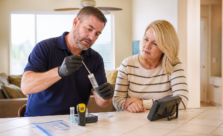
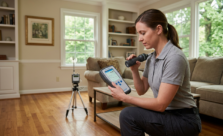
Mold inspection and mold testing are related, but they are not identical. An inspection focuses on the property’s visible conditions and possible moisture concerns. Testing may involve collecting samples to answer a specific question about suspected mold. Testing is not automatically necessary after every leak; its usefulness depends on the situation and what information is needed.
For more on the service category, see mold testing services. If an issue is found, the next step depends on the affected materials and moisture source. Mold remediation may be appropriate in some circumstances, but fixing the moisture problem remains essential to addressing the cause.
Choosing a local provider in Scottsdale
When contacting a provider, describe where the dishwasher is located, when the leak occurred, what cleanup has already been done, and whether you have noticed persistent moisture, odor, or material changes. You can ask whether an inspection is appropriate and whether testing would help answer your particular question.
ALM Services’ BestMoldTestingUSA directory listing provides a place to review the company’s listing. ALM Services lists mold testing, mold inspection, and mold remediation among its services. The company can also be reached through the ALM Services website.
Frequently Asked Questions
Should I get a mold inspection after every dishwasher leak?
Not necessarily. A brief leak that was fully stopped and dried may not require an inspection. Consider one if water may have reached concealed materials, dampness persists, or you notice an ongoing odor or material changes.
Can I tell if mold is present by smell alone?
No. A musty odor may indicate a moisture concern, but it does not confirm mold or show where a problem may be located. Further evaluation may be helpful if the odor continues.
Does a mold inspection always include testing?
No. Inspection and testing serve different purposes, and testing may not be needed in every situation. A provider can discuss whether sampling would help answer the question you have about the affected area.
What if the cabinets or floor look normal?
Normal-looking surfaces do not always reveal what is happening underneath or behind them. If the leak lasted a while, water traveled out of sight, or dampness or odor persists, consider asking about an inspection.
Need Mold Testing in Scottsdale?
If you’re concerned about moisture or possible mold after a dishwasher leak, ALM Services offers mold testing and inspection to help you consider appropriate next steps.
ALM Services
Call: 602-257-8000



Leave a Reply